

Mesothelioma - What Causes Mesothelioma?
It can be difficult to determine mesothelioma because the cancerous cells may look similar to other kinds of tissues. However a combination of chest x-rays and CT scans and biopsy can aid doctors in making an accurate diagnosis.
Symptoms can include abdominal or chest discomfort, hoarseness, and fatigue. The symptoms typically get worse with time.
Asbestos
Asbestos exposure has been associated with more than 9/10 mesothelioma cases. Asbestos is a fibrous silicate mineral is a naturally occurring. It was utilized by a variety of industries prior to the 1980s when asbestos of the blue and brown varieties were banned. They were followed in 1999 by all types of asbestos. Workers who worked with or near blue, brown and white asbestos, specifically those who worked in industrial occupations or served in the military prior to the ban were put in place, are at a higher risk of developing mesothelioma than those who were not exposed to the mineral.
Mesothelioma develops when the tiny asbestos fibres enter the body and irritate mesothelial cells. The irritation causes abnormal cell growth, which can lead to cancerous tumors. Mesothelioma is most often found in the linings of the body's internal organs, which include stomach, lungs and intestines.
Asbestos is usually caused through occupational exposure, in which the mineral is brushed or handled every day. This includes jobs in shipbuilding, factories and vehicle maintenance. Asbestos exposure can occur in schools and homes particularly if the substance has been removed or agitated without taking the appropriate precautions.
Asbestos fibers are carried through the air to the lungs, where they are deposited on the lining of the lungs. While some of these fibers are eliminated from the lungs within hours but others may remain in the lungs for years. Some of them can travel to the outer lining of the abdomen known as the peritoneum where they cause the lining to thicken and get constricted, leading to peritoneal mesothelioma.
Asbestos may affect people who are not in these professions. For instance, family members of those who work with asbestos or deal with it frequently. It is believed that asbestos fibers can be absorbed by household members through clothing or hair or contact with the affected individual's skin. Mesothelioma can also be passed down through the generations if a parent was exposed to asbestos. The risk of developing mesothelioma can increase if they are afflicted with an genetic mutation that causes them to be more sensitive to asbestos, or other forms of chemical exposure.
Exposure to other chemicals
While asbestos is the main mesothelioma trigger but other chemicals could play a role. Workers in industries that employ different types of carcinogens are more likely of developing mesothelioma. This includes those who repair or maintain pipelines for gas and oil. Also, those who receive high doses of radiation as treatment for other illnesses are at greater risk than those who don't.
Genetics and age are both risk factors. The majority of mesothelioma cases occur in people over 60. Most patients have an ancestral history of the disease. Mesothelioma is also more prevalent among smokers. This is due to the fact that asbestos fibers can get into the lungs via the mouth or nose.
If you are concerned that you may have mesothelioma then you should see a doctor immediately. They will be asked about their asbestos exposure and the doctor might perform an examination to look for mesothelioma-related symptoms such as chest pain or difficulty breathing. The doctor might also recommend imaging scans to check for signs of fluid accumulation, such as a mesothelioma pleural. These scans can be done by using CT (computer tomography) scans, MRI (magnetic resonance imaging), PET (positron emission tomography) scans or X-rays.
These tests allow the doctor to determine if mesothelioma has been identified and at what stage. The earlier mesothelioma can be diagnosed and treated, the better chance for survival.
If a person's doctor suspects that they have mesothelioma, they will refer them to specialist for further tests. Depending on the location of mesothelioma the specialist will run additional tests to find out the type of mesothelioma it is and the location in the body it is growing. These tests can be carried out in a hospital or at a cancer clinic that is specialized. Specialists in mesothelioma can also request biopsies to examine the mesothelioma in samples of tissue. The specialist will also discuss with the patient's treatment options. They could suggest treatments such as chemotherapy, surgery or radiation.
Genetics
Genetic mutations that are inheritable, such as the BAP1 gene mutation could make a person more likely to develop mesothelioma. These mutations aren't the sole reason for this asbestos-related cancer. The majority of people who have mesothelioma have been exposed to asbestos and often it takes a long time before symptoms of the disease begin to manifest.
Mesothelioma cells develop abnormally and then form tumors in the lining of the chest cavity (pleura) or abdomen. The tumors may then expand to other parts of the body, causing range of serious symptoms. Some of these symptoms include a shortness of breath, swelling of the lungs, or abdominal pain.
Doctors diagnose mesothelioma based on biopsy samples and what kind of cells constitute the tumor. There are three types of mesothelioma cells: epithelioid mesothelioma, sarcomatoid and biphasic mesotheliom. Epithelioid is the most common type and accounts for 70% of mesothelioma cases and responds well to treatment. Sarcomatoid is a lesser-known mesothelioma type and has a lower prognosis. Biphasic mesothelioma is a mix of both types of cancer and can be harder to treat.
Scientists are trying to identify the mesothelioma gene and how it affects a person's chance of developing the illness. This research will aid doctors in diagnosing mesothelioma more accurately. It will also assist scientists find the best treatments for each patient.
Researchers examine the mutations in cancerous and healthy cells using DNA tests. This helps them determine if a person's mesothelioma has been caused by genetics or by asbestos exposure.
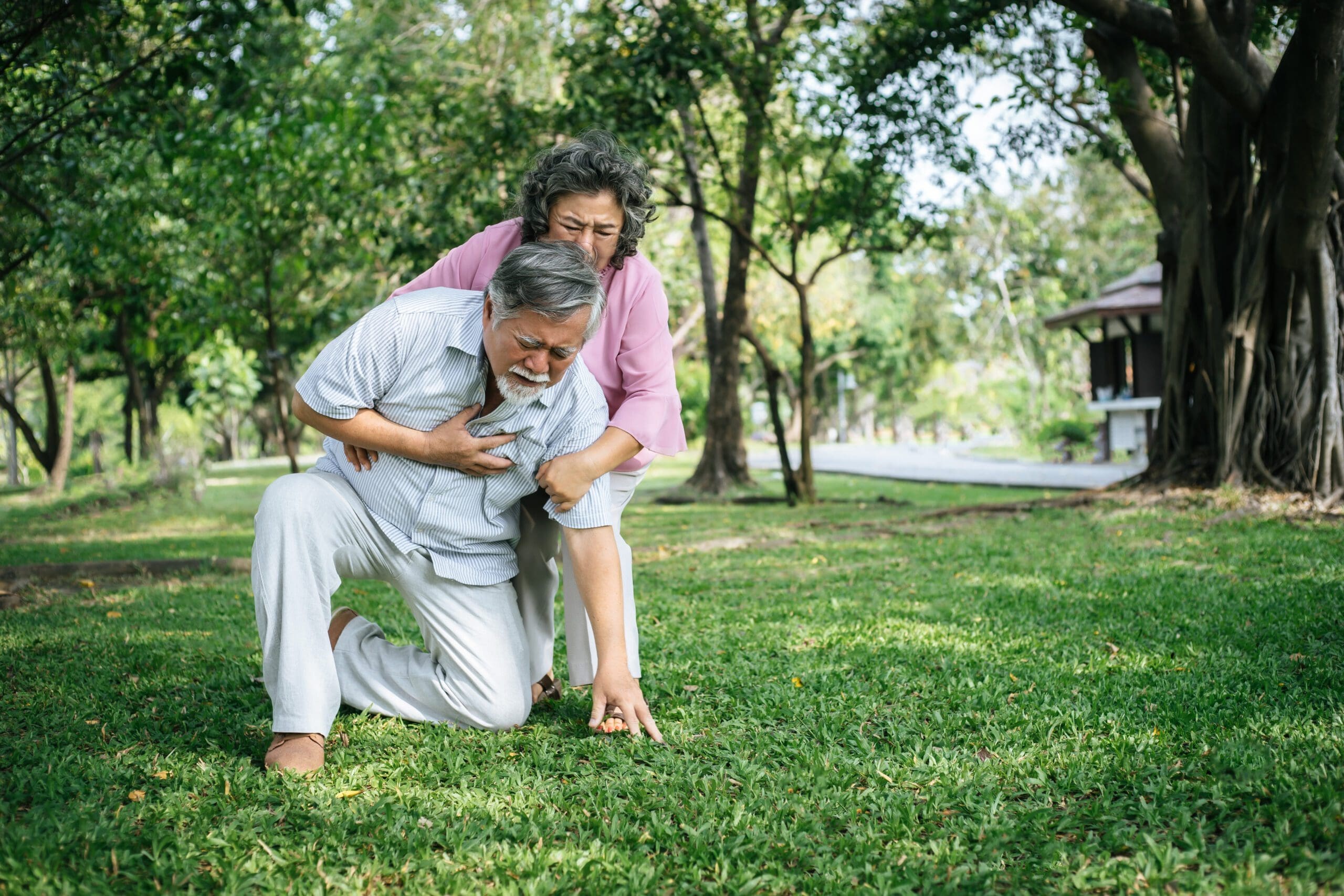
Asbestos is the most frequent mesothelioma cause. Exposure to asbestos is typically related to work but it is also possible for family members to be exposed via exposure to asbestos through secondhand exposure. This is particularly relevant if someone was employed in the same place as a loved one and brought home asbestos fibers on their clothes or hair.
Men are more likely than women to be diagnosed with mesothelioma. This is because men are more likely to be exposed to asbestos at work. Although mesothelioma can be found in a small percentage of cases, it is still important to receive a mesothelioma diagnosis and get the appropriate treatment. An incorrect diagnosis could allow cancer to spread, which could cause serious complications.
Smoking
Smokers are more likely to develop mesothelioma compared to non-smokers. This is due to asbestos and other chemicals found in smoking products can cause irritation to the lung's lining and other organs within the chest cavity. Mesothelioma is a deadly cancer, targets this lining.
Asbestos is a grouping of minerals that form thin, strong fibres. These fibers cannot be dissolved in water or broken down by chemical. Asbestos was mined to serve different purposes such as construction and auto parts before scientists realized it was dangerous. The main risk factor for mesothelioma is exposure to asbestos. Those who are exposed to asbestos in the workplace, like veterans and construction workers, are at risk the most.
If exposed to asbestos, breathing in the pointed fibers could cause irritation to the lining of your lung and other areas of the body that have an underlying structure similar to that of the pleura. This irritation can cause the body to create cancerous cells that could lead to mesothelioma-related tumours.
Mesothelioma symptoms can resemble the symptoms of lung cancer and are often mistakenly diagnosed. This could delay treatment, allowing the cancer more time for growth. Imaging tests and biopsy are commonly used to identify cancer. The biopsy is used to determine the type of mesothelioma cells a patient has. There are three mesothelioma cells types: epithelioid, sarcomatoid and biphasic. Epithelioid mesothelioma is the most favorable prognosis and is more easily treatable than the other two forms.
sarcomatoid mesothelioma causes are seeking ways to diagnose mesothelioma earlier. One of the most promising blood tests is to measure levels of a chemical released by mesothelioma cancer cells. Researchers believe this test could aid in identifying patients suffering from mesothelioma that are more likely to respond to treatment.
Asbestos patients should inform their doctor of any smoking background. This is important since smoking cigarettes can hinder the body's natural ability to fight off mesothelioma and other asbestos-related ailments. Mesothelioma can also be difficult to treat since it interferes with the body's ability to heal itself from chemotherapy and other cancer treatments. Smoking can also cause health problems that can make it harder for people to endure mesothelioma treatments.